
Great characteristics of watch straps include:
Alcantara leather is a synthetic microfiber material that is designed to mimic the look and feel of suede leather while offering several advantages over natural leather. It is made from a blend of polyester and polyurethane, which is then treated to create a soft, luxurious texture that is similar to suede. It was developed in the 1970s by a Japanese scientist (Toray Industries) and is now produced by the Italian company Alcantara S.p.A.
Alcantara leather is often used as a substitute for natural suede leather due to its durability, ease of care, and resistance to stains and water damage. It is also more resistant to fading and wear than natural suede, making it a popular choice for use in high-traffic areas such as car interiors and furniture upholstery. It is known for its soft feel, high-end appearance, and durability, making it a popular choice for those who want the look and feel of suede leather without the maintenance and care requirements. It can be dyed to a wide range of colours and patterns and can be easily cleaned using mild soap and water. It is also more breathable than natural leather, making it more comfortable to wear in warm weather.
Some characteristics of Alcantara leather include:
Babele
Having a distinctive cloth-like appearance, Babele leather is produced by the Tempesti tannery in Italy. Tempesti’s experience of over seven decades in vegetable-tanned leather shines through in this unique article that offers the tactile hand feel of fabric and suppleness that moves with you. The inspired pairing of these physical characteristics with an eye-catching surface that emulates the warp and weft of woven textiles will make an excellent strap for your wrist.
Barenia/Novonappa
Barenia (also known as Novonappa) leather is a type of high-quality leather that comes from Tanneries Haas located on the Rhine River plain in France. It was initially used for equestrian saddles before transitioning into luxury fashion goods such as handbags, wallets, and shoes. It is a full-grain calf leather that is vegetable-tanned and drum-dyed, a labour-intensive process that takes up to six weeks, to create a rich, natural patina that develops over time. It becomes more beautiful as the leather darkens naturally and takes on a unique character that reflects the owner’s use and wear.
Barenia leather is known for its durability, suppleness, which means soft and flexible, and water resistance, making it a popular choice for luxury leather goods. It has moderate scratch resistance and small scratches can be buffed out with just some slight rubbing. It can be regularly wiped down with a soft, lint-free cloth to remove dirt and moisture and to maintain its supple texture and natural patina. It has a smooth texture that feels comfortable to the touch. The buttery-smooth calfskin has a mellow and plush feel, with just the right amount of rigidity and flex. Barenia leather has a natural matte finish that is smooth and soft. It comes in a range of earthy colours, including brown, tan, and black. Fine pores on its surface not only add to the leather’s beautiful grain but grant it the ability to catch the light at a range of angles, resulting in a soft gloss which complements the mild patina that it develops over time.
It is becoming a popular choice for watch straps. Barenia leather is not only widely used by Hermes for its Birkin bags but also for its Apple watch straps. It has not only survived but shone in its last 50 years’ use in handbags, footwear, and saddlery. Such time-tested excellence would certainly do well as watch straps on your wrist.
Buttero
Buttero leather is made using a traditional vegetable-tanning process that involves using natural tannins found in tree bark and other organic materials to transform raw animal hides into durable leather. The leather is then drum-dyed to give it a rich, even colour that penetrates deep into the fibres of the leather. Buttero Leather is arguably their most famous article by the Conceria Walpier, a recognised tannery of the Genuine Italian Vegetable Tanned Leather Consortium. Buttero leather is commonly used in the production of high-end leather goods such as shoes, bags, and wallets, as well as in luxury furniture and interior design projects.
One of the unique features of Buttero leather is its ability to develop a rich patina over time with use. As the leather is exposed to light, air, and natural oils from the wearer’s skin, it will gradually darken and develop a unique character that reflects the individual’s use and lifestyle. With time and wear, your strap will develop a natural sheen and deeper hues. All of this is built on a base of firm-tempered full-grain shoulders – built to last. The Leather has a matt aniline finish and firm feel with a visible grain. The grain (top side) of Buttero is also fairly resistant to water. Buttero is cut from the shoulder of the hide, which gives it fantastic tensile strength and quality. With a huge array of strong colours, there are options here for any project. From deep greens to vibrant yellows, not many other vegetable-tanned leathers can achieve the same vibrancy. The brighter colours will resist stains enough to keep their original colour, but will instead get a deeper and more intense look.
Some of the key characteristics of Buttero leather include:
Calf
Calf leather is often used for luxury goods such as shoes, bags, and wallets. The process of making calf leather involves tanning the skin with various chemicals and dyes to preserve and colour the material. The final product can be finished with different textures and treatments, such as embossing, polishing, and waxing.
Calf leather is considered to be one of the highest-quality leathers. Several characteristics make it highly sought after and a popular choice for luxury goods including watch straps:
Chèvre
Chevre is a type of goat leather that is known for its durability, lightweight, and softness. Chevre is produced by Alan Tannery in the south of France. The leather is vegetable tanned resulting in the natural marks and variations of each hide.
It has a natural grain texture which is easily recognizable, and it is often used for Hermes handbags and other accessories. It is highly regarded for its quality and is known for its ability to develop a unique patina over time, which gives it a distinctively elegant look and feel. It is a popular choice among Hermes enthusiasts who value the brand’s commitment to using only the highest quality materials in its products. The leather is available in a wide range of colours and matte/shiny finishes.
It has a unique look and feel to any other type of leather. The slightly pebbled texture is a result of a manual technique done by hand to reinforce and emphasize the natural grain of the leather. A smooth surface and a slight gloss immediately impart luxuriousness to products made with this leather. Not only a feast for the eyes, chèvre is also water and scratch-resistant and is a great option for the exteriors of watch straps. It matches cow hide’s tensile strength yet is lighter, softer and more breathable, and can last for many decades when well looked after. Goat hide is a supple leather with unmatched flexibility due to the natural oils (known as lanolin) found in the skin.
Summary of some of the key characteristics include:

Chromexcel
Chromexcel leather is a type of leather that is produced by the Horween Leather Company, which is based in Chicago, USA since the early 1900s. Developed around the time of the Titanic, this tannage never went down in the ensuing century. The process of creating a piece of Chromexcel takes 89 separate processes (many of which are completed by hand) and takes 28 working days to complete. Unlike many leathers, Chromexcel is air-dried which allows the leather to shrink back on itself. Many tanneries will cringe at this concept because it decreases the yield but also gives the leather a tighter, more calf-like, break as opposed to other drying methods like pasting or vacuum drying. It is a full-grain, cowhide leather that is processed using a combination of chrome tanning and vegetable tanning. This unique process results in a leather that is durable, flexible, and has a distinctive pull-up effect. Chromexcel leather is characterized by its rich, deep colour and its unique ability to develop a patina over time. The leather has a waxy finish that gives it a slightly oily feel and a natural sheen. Chromexcel will scratch and scuff rather easily and, due to the high grease content, these scratches can be buffed out rather easily. The leather is often used in high-end leather goods such as shoes, boots, wallets, and belts. It is a popular choice among leather enthusiasts and is known for its longevity and ability to age beautifully with use. ‘Pull-up’ refers to the lightening of the leather as it is flexed and pulled, resulting in gorgeous two-tone gradients across its surface. The pull-up effect is a desirable characteristic of Chromexcel leather that occurs when the leather is stretched or bent, causing the oils and waxes in the leather to move and create a lighter colour on the surface. This effect is achieved when oils and waxes, impregnated in the leather during production, are temporarily displaced due to movement. An aniline (non-pigmented) finish allows the pull-up to be seen in all its glory. The beauty of this leather isn’t just skin deep. Chromexcel ages brilliantly. It will lighten, darken, scuff, soften and age in such a way as to look vintage without the fragility. It’s incredibly resilient, but the beauty of it is that it will pick up the stresses of daily wear and display it like a medal.
Here are some of its characteristics:

Crazy Horse
Crazy Horse leather is a type of leather that is known for its unique appearance and high durability. It is made by applying a special type of wax to the surface of full-grain leather, which creates a distressed or antique look that is characterized by natural markings and a variation in colour. Crazy Horse leather is named after a type of leather that was traditionally used by cowboys in the American Old West. It is typically made from high-quality cowhide leather that has been treated with oils and waxes to enhance its natural grain pattern and increase its durability. Colour variations give it a visual texture which is only improved with time and use. This type of leather is often used in the production of high-end leather goods such as bags, wallets, and belts, as well as shoes and other accessories.
Some of the key characteristics of crazy horse leather include:
Dublin leather is a type of leather that originated in Dublin, Ireland. It is known for its rich, natural colour and unique texture, which is achieved through a special tanning process that involves a combination of oils, waxes, and dyes. Dublin leather is typically made from high-quality cowhide or steer hide and is characterized by its supple feel and durability. The leather is often used in the production of shoes, boots, belts, wallets, and other accessories.
Some of the key characteristics of Dublin leather include:
Epsom
Epsom leather is a type of leather that is commonly used in luxury goods, particularly in the production of high-end handbags and wallets. Du Puy, a French tannery which produces Epsom leather, was acquired by Hermès in 2015. It is known for its unique texture, which is characterized by a fine, diagonal ribbing pattern. This texture is created by the process of embossing the leather with a hot iron or roller, which presses the design into the surface of the leather. It is typically made from the hides of young calves, which are known for their fine, tight grain. The leather is then treated with a special dyeing process that enhances its natural sheen and gives it a distinctive, glossy appearance.
Epsom leather is highly durable and resistant to water, scratch, wear and tear, making it a popular choice for luxury goods that are designed to last. It is also lightweight and easy to care for, making it a practical choice for everyday use. It has a wide range of vibrant and rich colours, which are achieved through the dyeing process that ensures the colour penetrates deeply into the leather, resulting in a leather that is resistant to fading and maintains its colour over time. Owing to the embossing process, Epsom has a certain level of rigidity and will sit sturdy and secured on your wrist.

Minerva Box
Minerva Box leather is a type of high-quality vegetable-tanned leather that is often used by luxury brands such as Hermes. It is named after the Minerva tannery in Italy (Badalassi Carlo), which produces leather using traditional techniques that have been refined over many years.
Minerva Box leather is known for its smooth surface, fine grain, and high durability. It is created using a time-intensive tanning process that involves treating the leather with natural vegetable tannins, which are derived from plant extracts. During the tanning process, the hides are soaked in a solution of natural tannins, which helps to create a leather that is both strong and flexible. The leather is then hot stuffed with waxes and oils, which helps to enhance its natural beauty and give it a smooth, even texture. The leather is finished with a light coat of wax, which gives it a protective layer and helps to prevent it from drying out or cracking over time. This process gives the leather its unique colour and texture, as well as its resistance to water and other environmental elements. One of the distinguishing features of Minerva Box leather is its ability to develop a natural patina over time with use, which gives it a unique and personalized appearance. This type of leather is often used in the production of high-end leather goods such as bags, wallets, and belts, as well as shoes and other accessories.
Minerva Box leather is commonly used in the production of high-end leather goods, including handbags, wallets, and other accessories. It is prized for its durability, which allows it to withstand wear and tear, as well as its natural beauty, which becomes more apparent over time as the leather ages and develops a patina. The leather is also known for its ability to hold up well to heavy use, making it a popular choice for those who value quality and craftsmanship in their leather goods.
Minerva Box is a full-grain cowhide that is offered in striking hues. As a naturally tumbled leather, its surface is littered with non-uniform variations of pebbled textures. These features add personality and depth to the final product, not to mention the promise of a rich patina with time and wear.
Some of the key characteristics include:
Mud
The Walpier tannery has operated over the last 40 years, churning out remarkable leathers on the international stage. The Conceria Walpier located in the heart of the Italian leather distract in Toscana, Italy, is also a member of the Consorzio Vera Pelle Italiana Conciata Al Vegetable, a consortium of leather tanneries sharing the same high standards of production, and a mark of quality and authenticity.
Mud leather has rustic grain and a colour texture which jumps out at you. Available in traditional hues, the colouration improves with every wear as it develops a rich patina. If you’re looking for a versatile pairing for your dress and tool watches in earthy traditional tones, Mud is for you.
Nubuck leather is a type of leather that is made from the outer layer of a cowhide or calfskin. It is created by sanding or buffing the surface of the leather to create a short, soft nap. This gives nubuck leather its characteristic velvety texture, similar to suede, but with a finer nap and greater durability.
Nubuck leather is highly durable and resistant to wear, making it a popular choice for shoes, boots, and bags. However, it is also more delicate than other types of leather and requires special care to keep it looking its best.
Nubuck leather can be dyed in a variety of colours, and it is often treated with a waterproofing spray to protect it from moisture and stains. Regular cleaning and conditioning are important to keep nubuck leather looking its best, and specialized cleaning products are available for this purpose.
Nubuck has a softer hand feel with a short and even nap. Crafted from the outer layers of cowhide, Nubuck offers more structure and is more robust for active wear. Straps made with Nubuck can take a pounding, and lend a visual kick to your wrist.
Nubuck leather is created from the outer layer of animal hides, typically cowhide, and is then buffed or sanded to create a uniform texture across the surface of the leather. This process can create a more even colour and remove any imperfections or marks that may be present on the leather.
Nubuck leather is a popular choice for high-end leather goods such as shoes, jackets, and bags due to its soft and luxurious feel. It is also a durable material that is resistant to wear and tear, making it ideal for use in products that are intended to last for many years.
One of the downsides of nubuck leather is that it is more difficult to maintain than other types of leather due to its delicate texture. It requires special care to avoid staining or water damage, and regular cleaning and conditioning to maintain its softness and texture over time.
Some of the key characteristics of nubuck leather include:
Nylon
A nylon watch strap is a type of watch band that is made from woven nylon material. It is known for being durable, lightweight, and comfortable to wear, making it a popular choice for sports and outdoor activities.
Nylon watch straps come in a variety of colours and patterns and are typically adjustable to fit a variety of wrist sizes. They are also easy to clean and maintain and are resistant to damage from sweat and water exposure.
Nylon watch straps are commonly used on military and field watches, as they offer a practical and reliable option for use in harsh environments. They are also popular among outdoor enthusiasts, as they are breathable and can be worn comfortably for long periods of time.
Overall, nylon watch straps offer a versatile and affordable option for those looking for a durable and comfortable watch band that can withstand daily wear and tear.
Some of the characteristics of this type of material include:
Pueblo/Martino
Pueblo leather is a type of vegetable-tanned leather made from full-grain leather that is produced by the Badalassi Carlo tannery in Italy. It is a high-quality leather that is known for its natural grain pattern, unique texture, rustic/matte finish, and high durability.
Pueblo leather is produced using a unique tanning process that involves a special blend of natural oils and waxes, which are applied to the leather to create a unique texture and finish. The process of tanning pueblo leather involves soaking the hides in a solution of natural tannins for an extended period of time, which helps to soften the leather and give it a distinctive, grainy texture. The leather is then treated with oils and waxes to give it a water-resistant finish and enhance its natural beauty. The oil or wax fills in the natural grain and creates a more uniform appearance. This process can create a variety of unique textures and finishes, depending on the type of oil or wax used. This tanning process gives the leather its distinctive matte appearance and also makes it resistant to water and other environmental elements.
Pueblo, named as a tribute to the indigenous peoples of the southwestern USA with strong character, offers a hand feel like no other. Its rough surface belies a supple cowhide, offering both ruggedness and elegance in a single package. The distinct artificial scratch patterns on its surface are achieved by rolling iron balls over the more classic ‘Minerva’ article. Easy to maintain, Pueblo quickly patinas into a smooth surface that loses none of its rustic, vintage feels.
Pueblo leather is often used in the production of high-end leather goods, such as handbags, wallets, and shoes, as well as in the upholstery of furniture and other decorative items. It is known for its durability and ability to withstand wear and tear, as well as its unique and distinctive appearance, which makes it a popular choice for those who appreciate natural materials and handmade craftsmanship.
Some of the key characteristics of pueblo leather include:
Rubber
A rubber watch strap is a type of watch band that is made from synthetic rubber material, such as silicone or polyurethane. It is designed to be durable, flexible, and water-resistant, making it a popular choice for sports and outdoor activities.
Rubber watch straps come in a variety of colours and designs, and are typically lightweight and comfortable to wear. They are also easy to clean and maintain and are resistant to damage from sweat and water exposure.
Rubber watch straps are commonly used on diving watches, as they provide a secure fit and can withstand exposure to saltwater and other harsh environments. They are also popular among athletes and fitness enthusiasts, as they are sweat-resistant and can be easily adjusted to fit a variety of wrist sizes.
Overall, rubber watch straps offer a practical and versatile option for those looking for a durable and comfortable watch band that can withstand daily wear and tear.

Saffiano
Saffiano is produced by Tannery Nuova Overlord which takes pride in its modern, technology-aided production set-up supplemented by a staff with experience and knowledge of decades. Nuova Overlord is also a certified member of the Leather Working Group, a not-for-profit organisation pushing for responsible sourcing and environmental best practices in the leather industry.
Saffiano leather can trace its origin to Mario Prada, the founder of the famous Italian fashion house. Prada created the diagonal and cross-hatch pattern that when applied to full grain calf leather would create Saffiano leather. After patenting Saffiano leather and using it as a signature of his brand, it became emblematic of prestige and high-end luxury goods. After the patent expired, it was widely adopted by other brands for its multiple benefits as a luxury material. Due to its waxy finish and cross-hatch design, Saffiano leather has several advantages that run-of-the-mill leather doesn’t have. Saffiano leather is highly durable, scratch-resistant retains shape and texture over time, can repel water and stains and as such is easy to clean. Luxurious, light, and low maintenance, it’s no wonder this leather has made its rounds in the premium bag market, adorning the exteriors of briefcases and handbags in a myriad of colours.
Some of the characteristics of Saffiano leather include:
Suede
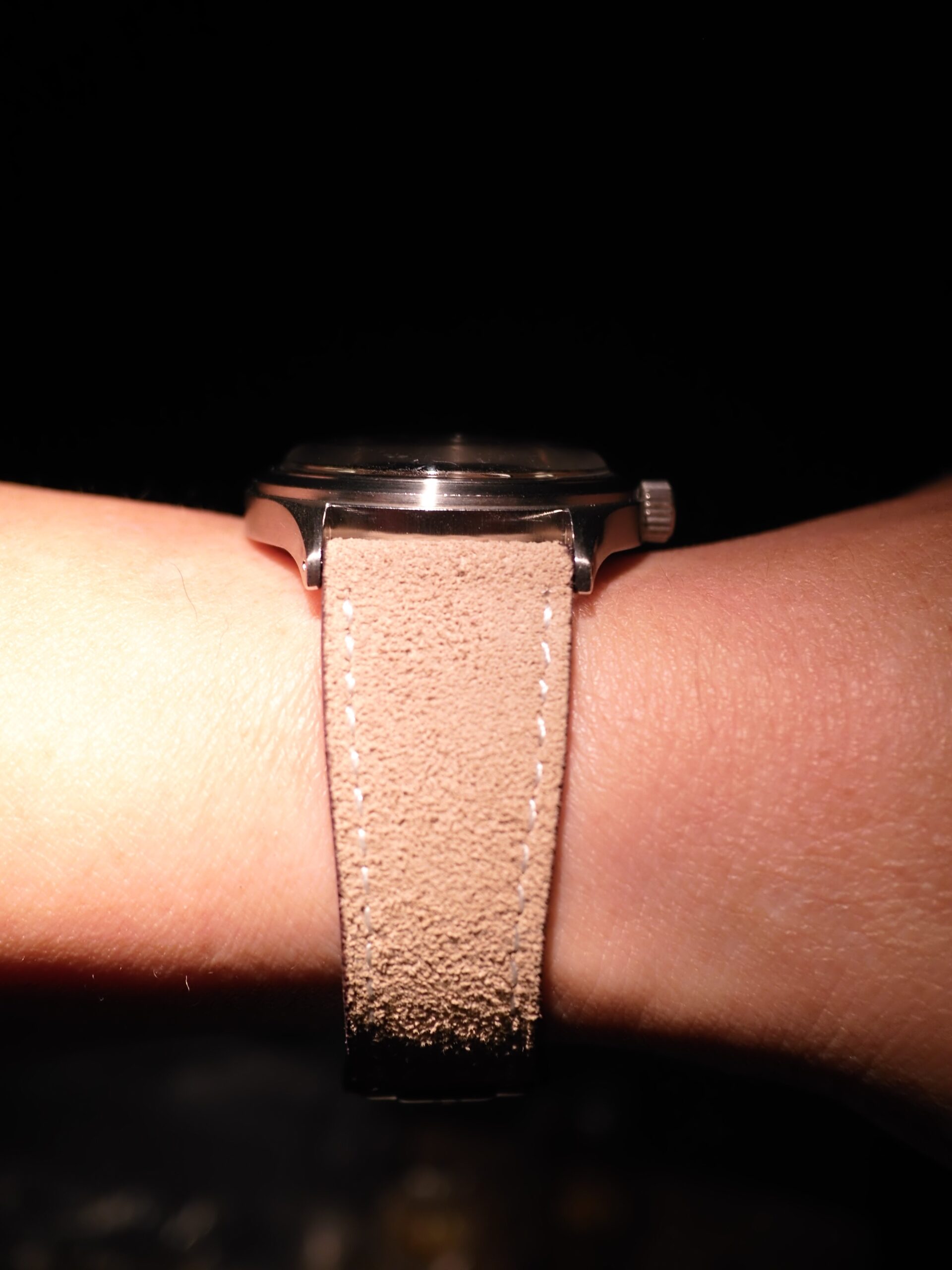
Suede leather is a type of leather that is created by splitting the underside of an animal hide (usually the flesh side that’s below the grain/outer skin), such as cowhide, sheepskin, or goatskin. The result is a soft, velvety texture that is similar to nubuck leather, but with a finer texture. It is known for its luxurious feel, softness and appearance, and it is often used to make high-end clothing, shoes, and accessories. It is also used in furniture upholstery and interior design. It is often used in products that require a comfortable and flexible fit, as it has a natural stretch and suppleness that allows it to conform to the shape of the wearer’s body or feet. Suede is used where softness, comfort, and appearance matter more than rugged durability
Suede leather is more delicate than other types of leather and requires special care to keep it looking its best. It is prone to staining and can be damaged by water and other liquids. Suede leather should be treated with a waterproofing spray to help protect it from moisture and stains, and it should be cleaned and conditioned regularly using specialized products designed for suede leather.
Some of the key characteristics of suede leather include:
Swift
Swift leather is a type of leather that is commonly used in the high-end fashion brands Hermes, particularly in the production of luxury handbags, wallets, shoes, and accessories. It is known for its fine grain, softness, and delicate appearance, which gives it a luxurious and elegant look. Swift leather is made from the hides of specially selected calves, which are known for their smooth and even texture. The leather is tanned using a special process that involves soaking the hides in a mixture of vegetable extracts and mineral salts. This process helps to preserve the natural beauty and softness of the leather, while also enhancing its durability and resistance to wear and tear. The leather is treated with a special coating that gives it a subtle sheen and makes it more resistant to scratches and water damage. Swift leather is known for its ability to take on a variety of colours and finishes, from bright and bold hues to more subdued and natural tones. It ages gracefully over time. As the leather is used and exposed to the elements, it develops a unique patina that adds to its beauty and character.
Some of the key characteristics of swift leather include:

Synthetic leather or faux leather, is a type of material that is designed to mimic the look and feel of real leather, without using any animal products. There are several types of vegan leather, each made from different materials such as polyurethane (PU), polyvinyl chloride (PVC), and recycled plastics, among others.
PU vegan leather is the most common type and is made by coating a fabric with a layer of polyurethane. This gives the material a similar texture and appearance to real leather, while also making it water-resistant and durable. PVC vegan leather is made by coating a fabric with a layer of polyvinyl chloride, which can make it stiffer and less breathable than PU vegan leather. Recycled plastic-based vegan leather, on the other hand, is made from recycled plastic bottles and can be more environmentally friendly than other types of vegan leather.
Vegan leather has become increasingly popular in recent years as more people are becoming conscious of animal welfare and the environmental impact of leather production. It is often used as a more affordable and sustainable alternative to real leather in products such as shoes, bags, wallets, and jackets. While the quality and durability of vegan leather can vary depending on the materials used and manufacturing process, it offers a cruelty-free and eco-friendly option for those who want the look and feel of leather without using animal products.
A vegan pineapple watch strap is a watch strap made from pineapple-based materials, typically known as Piñatex™. Piñatex™ is a sustainable alternative to traditional leather that is made from pineapple fibres extracted from pineapple leaves, which are a byproduct of the pineapple harvest.
Piñatex™ is often used as a material for making various fashion accessories, including watch straps, as it offers an eco-friendly and animal-friendly alternative to animal-derived materials like leather. It is often considered a vegan or cruelty-free option, as it does not involve the use of animal products or harm to animals in its production.
Vegan pineapple watch straps made from Piñatex™ typically have similar characteristics to traditional leather, such as durability, flexibility, and texture. They may be available in various colours, styles, and designs, making them a fashionable and sustainable choice for those who prefer cruelty-free and environmentally friendly alternatives.
Piñatex™, which is a common brand of pineapple-based material used in vegan products, including watch straps, is known for several characteristics:

Wax leather is a type of leather that has been treated with a special wax coating to give it a distinctive appearance and unique characteristics. The wax coating gives the leather a slightly shiny, glossy finish that can vary in intensity depending on the type and amount of wax used.
Wax leather is typically made from full-grain leather, which is the highest quality and most durable part of the animal hide. The leather is tanned using a variety of techniques, including vegetable tanning, chrome tanning, or a combination of both. After tanning, the leather is treated with a wax coating, which is applied using a variety of techniques such as brushing, spraying, or hand-rubbing.
One of the key benefits of wax leather is its durability and resistance to water and other elements. The wax coating helps to protect the leather from moisture and abrasion, making it a popular choice for products that are used in outdoor or rugged environments. Over time, the wax coating will wear off, giving the leather a unique and natural patina that adds to its character and charm.
Wax leather is commonly used in a variety of leather products, including boots, jackets, bags, and accessories. It is known for its distinctive appearance and rugged, outdoorsy feel, and is a popular choice for those who value durability and quality in their leather goods.
Some of the key characteristics of wax leather include:
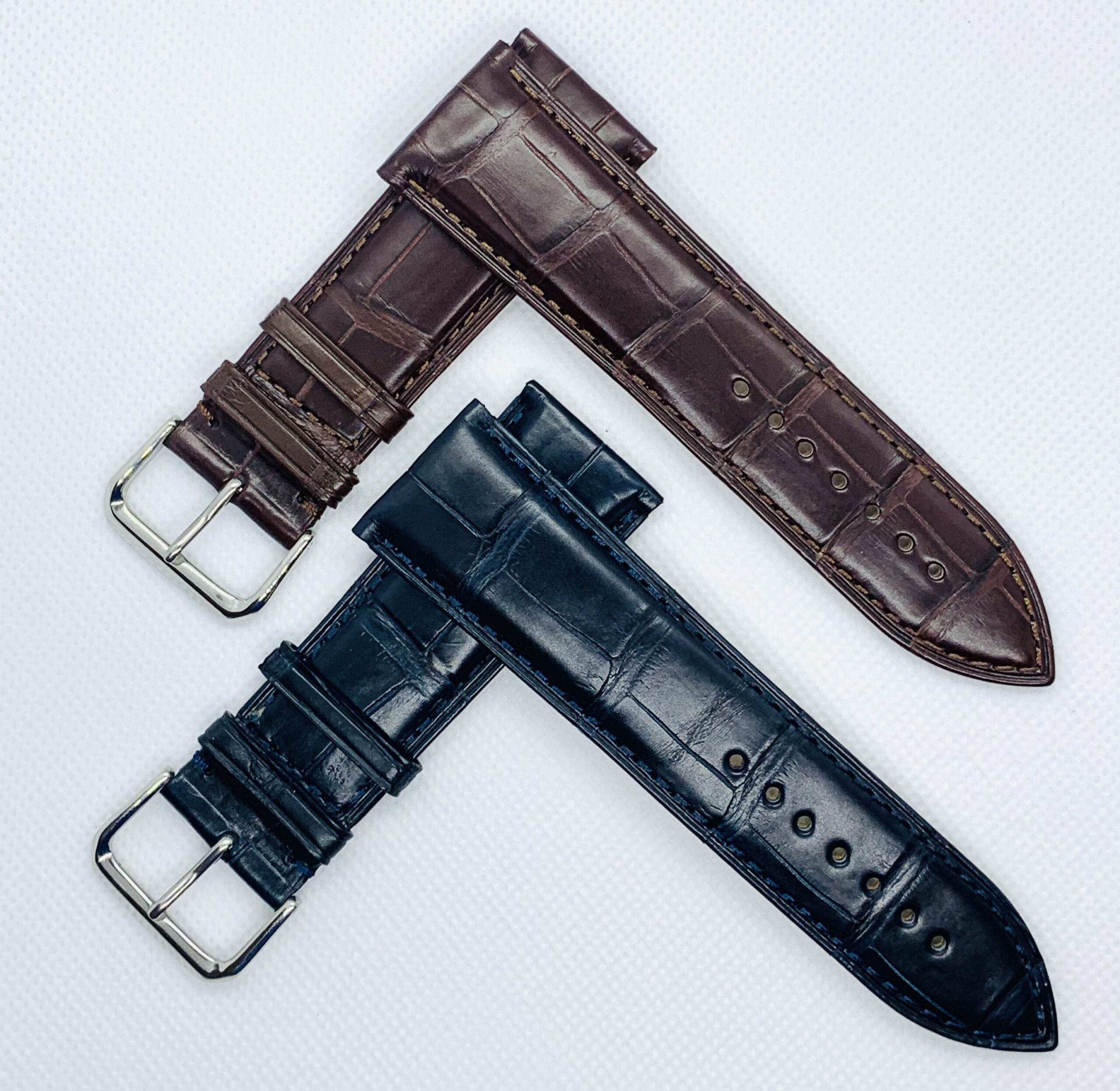
The leather is highly valued for its durability, flexibility, and unique texture. Alligator leather is often used in the production of luxury goods such as shoes, handbags, belts, wallets, and watchbands. The process of making alligator leather involves removing the skin from the alligator, tanning it, and finishing it. The scales on the skin are carefully preserved during the tanning process, which gives the leather its distinctive texture. The leather is then dyed and polished to create the desired colour and shine.
Alligator leather is a relatively expensive type of leather, and the price can vary depending on the quality of the skin and the complexity of the tanning and finishing process. Alligator leather is also regulated by laws to prevent illegal hunting and ensure that the alligator population is not depleted. Alligator leather has several distinctive characteristics that make it highly valued in the fashion industry:
Beaver leather is a type of leather that is made from the skin of a beaver. It is a very strong and durable leather that is often used for high-end products. Beaver leather is known for its unique texture, which is caused by the natural pores and hairs on the beaver’s skin. It is typically a natural, earthy brown color, but can be dyed and finished in a variety of ways to achieve different looks. Beaver leather is often used in products such as coats, hats, gloves, and bags. However, it is a relatively rare and expensive material due to the limited availability of beaver hides.
Some of the key characteristics of beaver leather include:

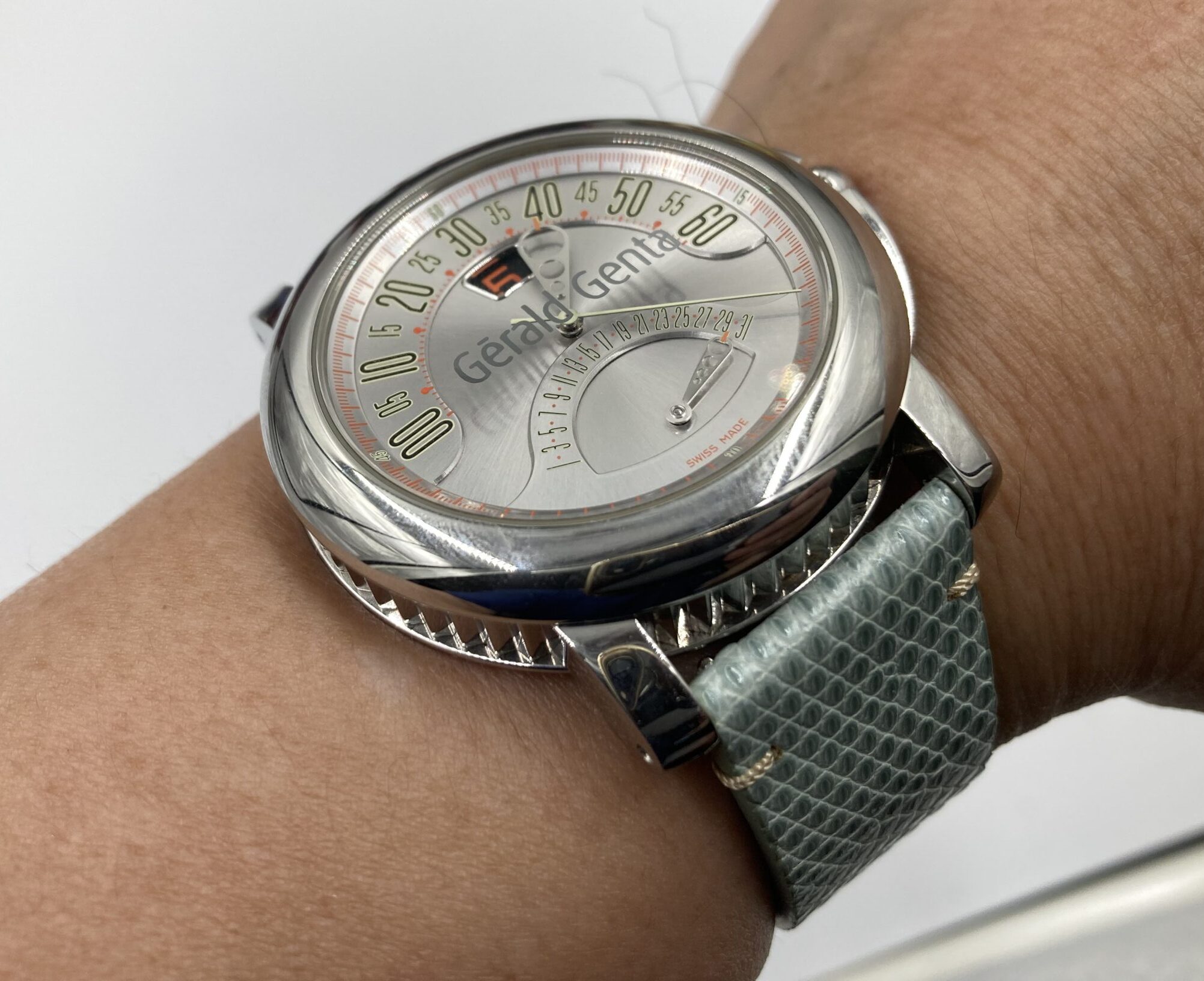
Lizard leather is a type of leather that is made from the skin of various species of lizards, including monitor lizards and iguanas. It is known for its distinctive pattern, which is made up of small scales that run parallel to each other. Lizard leather is generally thinner and more flexible than other types of exotic leather such as crocodile or alligator, lightweight and durable, making it ideal for use in smaller leather goods such as wallets, watch straps, and shoes.
The scales on lizard leather give it a unique texture that is different from other types of leather. It can be treated with various finishes to achieve different looks, from high gloss to matte. Lizard leather comes in a range of natural colours, including browns, greens, and greys, but can also be dyed to achieve different shades. It is a relatively expensive material due to the limited availability of lizard skins and the time-consuming process of tanning and finishing them.
some of the key characteristics of lizard leather:

Ostrich
Ostrich leather from South Africa, specifically ostrich leg, is not often used for leather goods due to its small size but is perfect for watch straps. It has a beautiful scale texture, good water and scratch resistance, and is soft and supple. Ostrich leather is available in a wide range of colours and finishes, providing many options if you are looking for an alternative to alligators.
Ostrich leather is highly valued for its distinctive texture, which features a pattern of raised bumps or quill follicles. This texture is a result of the way the leather is processed, which involves removing the feathers and then tanning the skin.
Ostrich leather is considered to be one of the most luxurious and durable types of leather available. It is commonly used in the fashion industry to make high-end handbags, wallets, shoes, and other accessories, as well as in the upholstery industry for furniture and automotive interiors. The leather can be dyed in a variety of colours and is often finished with a high gloss or matte surface. Ostrich leather is a relatively expensive material due to the limited availability of ostrich skins, the time-consuming process of tanning and finishing them, and the high demand for its unique texture and appearance. It is also considered an ethical and sustainable alternative to other types of exotic leather, as ostriches are farmed for their meat, skin, and feathers, and farming practices are regulated to ensure the humane treatment of the animals.
Here are some characteristics of ostrich leather:


Python leather is a type of exotic leather made from the skin of pythons, which are large, non-venomous snakes found in various parts of the world. Here are some key characteristics of python leather:

Shell Cordovan
Shell cordovan is one of the most prized and fascinating leathers in the world, known for its mirror-like finish, extreme durability, and unique origin. It’s not actually “skin” or grain leather but a fibrous membrane from the fibrous flat muscle, called the shell, found beneath the skin of a horse’s rump. It is a rare and luxurious leather that is highly prized for its durability, unique lustre and smooth texture. It is rare as only two small oval-shaped areas can be produced from each animal and there is low supply of horses raised as part of the food chain resulting in a low supply of horsehides as a byproduct. It requires complicated tanning techniques that take up to 10 months to complete that involve a lengthy and intricate process of soaking, cleaning, and polishing. The leather is tanned using vegetable-based materials, such as tree bark, which help to preserve the natural fibres of the leather while giving it a distinctive shine and lustre. After the horsehide is tanned and finished, it undergoes a process of shaving, glazing, and polishing that can take several weeks to complete. The final result is a leather that is extremely smooth, dense and uniform, with a distinctive glossy surface that is resistant to scratches, abrasions, creasing and water damage. It is built to last for decades, often outliving the product it’s made into. It can take on a high shine, making it a popular choice for dress shoes, wallets, and other high-end leather products. It is known for its durability and resistance to wear and tear, making it a favourite of leather craftsmen and shoemakers around the world. It is particularly suitable for watch straps.
One of the most famous producers of shell cordovan leather is Horween Leather Company, which is located in Chicago, Illinois, United States. Horween has been producing shell cordovan leather since the early 20th century and is considered one of the best and most respected tanneries in the world. Other notable producers of shell cordovan leather include Shinki Hikaku in Kobe Japan, Comipel in Italy, and Clayton Tannery in England. Due to its rarity and the intricate process required to produce it, shell cordovan leather is considered one of the most expensive and exclusive types of leather available. Despite its high price, it remains a popular choice among those who value quality, craftsmanship, and durability in their leather goods. Because of its rarity and high cost, Shell Cordovan is considered a luxury material and is typically only found in the most exclusive and high-end leather products.
Here are some of its key characteristics:

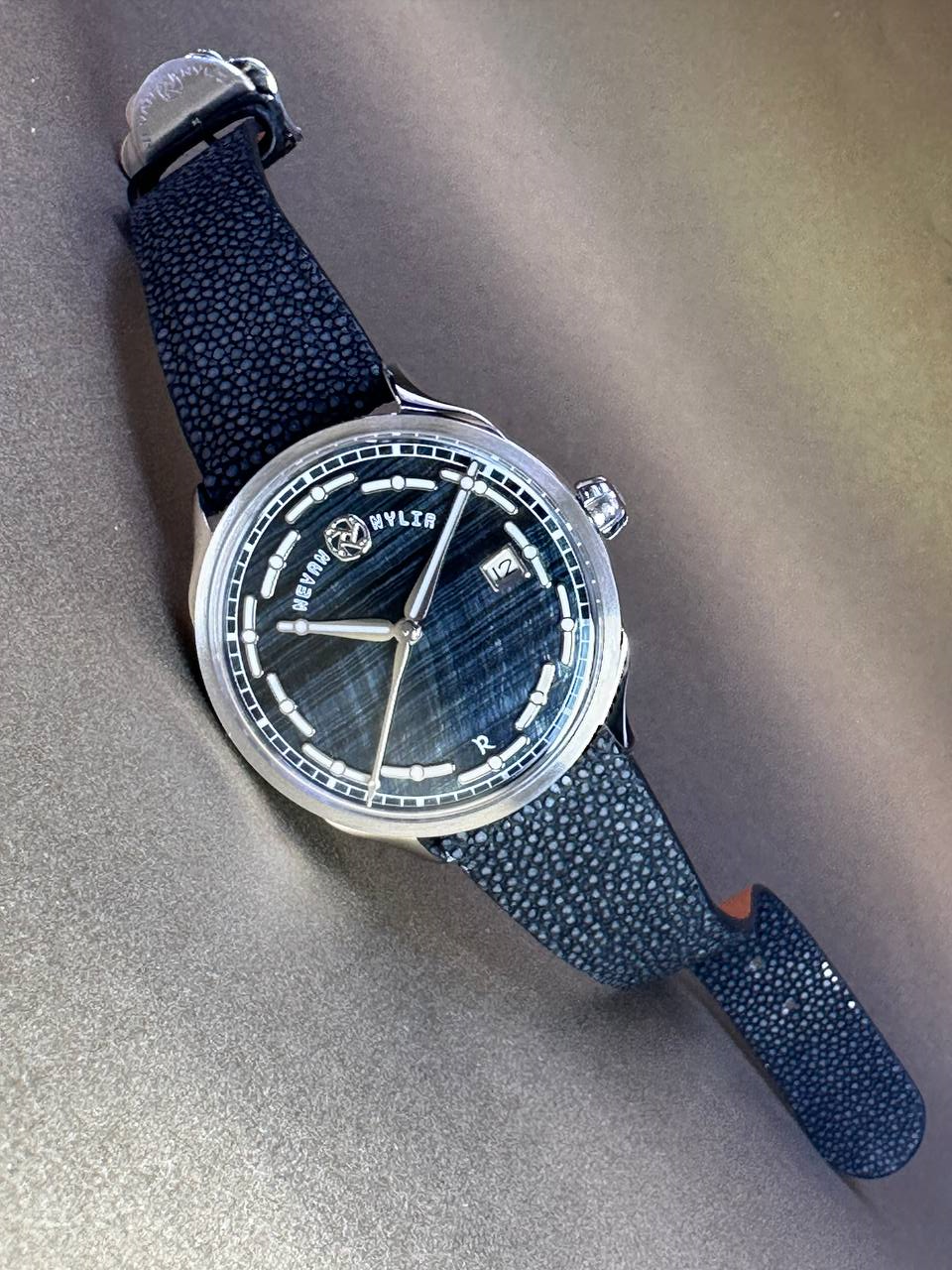
Stingray leather is known for its durability, unique texture, and distinctive pattern of raised bumps, which are the remnants of the fish’s bony plates, or dermal denticles.
Here are some key characteristics of stingray leather: